Home / Blog / Shambuka Vadh: Did Ram Really Kill a Shudra Ascetic? Examining the Uttara Kanda Debate
General
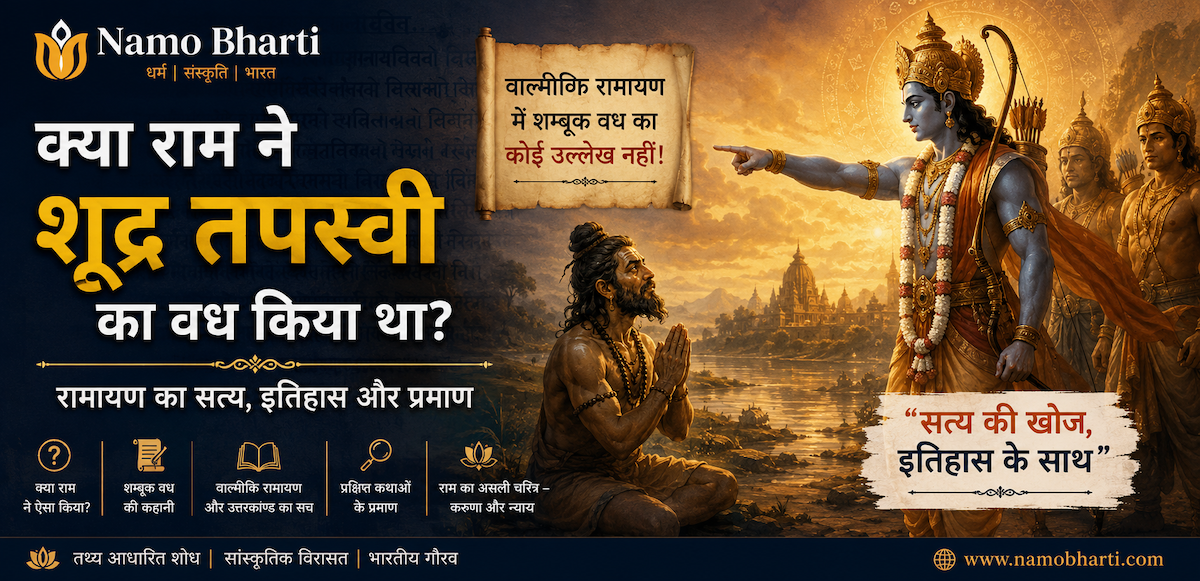
Shambuka Vadh: Did Ram Really Kill a Shudra Ascetic? Examining the Uttara Kanda Debate
शम्बूक वध: क्या राम ने वास्तव में एक शूद्र तपस्वी का वध किया था? उत्तरकाण्ड विवाद की पड़ताल
Published 31 Jul 2026
Few questions provoke as much debate in Hindu religious discourse as this one: did Maryada Purushottam Ram — the ideal king celebrated for compassion and justice — kill a Shudra ascetic named Shambuka simply for performing penance? The story appears in the Uttara Kanda, the seventh and final book of the Valmiki Ramayana. Understanding it requires looking honestly at both the textual history of the epic and the different ways this episode has been read.
What the Story Says
According to the Uttara Kanda (sections 73 through 76), an elderly Brahmin arrives at Ram's court grieving the sudden death of his son. Sage Narada explains that a Shudra named Shambuka is performing tapasya (ascetic penance) — an act the text frames as improper for his varna during that yuga, and the cause of the child's death. Ram travels to find Shambuka and, upon confirming his identity, kills him. The Brahmin's son is immediately restored to life.
Is the Uttara Kanda Part of the Original Ramayana?
This is where the real scholarly debate begins. For well over a century, textual historians studying the Valmiki Ramayana have noted that the first book (Bala Kanda) and the last book (Uttara Kanda) differ noticeably from the middle five books in language, style, and theological framing. The middle books largely portray Ram as a heroic human prince; the bookend chapters increasingly treat him as a divine avatar of Vishnu. Early European translations, including Ralph Griffith's 19th-century rendering, did not even include the Uttara Kanda. Many modern scholars, including those behind the critical edition of the Ramayana, conclude that these two books were composed later and layered onto an earlier five-book core.
However, this view is not unanimous or uncomplicated. Traditional commentators point out that events from the Uttara Kanda — including Sita's exile and the Shambuka episode — are referenced in other respected texts such as the Puranas, suggesting the story circulated widely and was not a recent invention. Some contemporary writers have also raised a sharper question: why do we tend to label only the morally uncomfortable portions of the epic — Sita's banishment, Shambuka's death — as "later additions," while equally late portions that don't trouble us, such as certain childhood stories, are accepted without question? This is a fair challenge, and an honest reader should sit with it rather than dismiss it.
Two Ways This Episode Has Been Read
The Shambuka story has taken on very different meanings depending on who is reading it. For scholars and reformers examining caste in Indian society — including figures like Dr. B.R. Ambedkar — the episode has been cited as evidence that even revered religious texts encoded caste-based violence, and that this deserves honest acknowledgment rather than denial.
For many within the devotional tradition, the episode sits uneasily against everything else known about Ram's character across the epic — his refusal of the throne out of respect for his father's word, his grief for Sita, his mercy even toward defeated enemies. For them, the textual evidence pointing to a later, theologically different authorship of the Uttara Kanda offers a genuine explanation, not merely a convenient one.
Where This Leaves Us
Across the five books widely regarded as the oldest core of Valmiki's Ramayana — from Ram's exile through the war in Lanka — his defining qualities are consistently shown as restraint, loyalty to dharma, and compassion, even under enormous personal cost. The Uttara Kanda's portrait, including the Shambuka episode, is textually and theologically distinct enough that serious scholars continue to debate its place in the original composition.
This is not a question with a single, comfortable, final answer — and claiming otherwise, in either direction, does a disservice to genuine inquiry. What can be said honestly is this: the debate itself is old, well-documented, and worth understanding on its own terms, rather than through the lens of whichever conclusion we'd prefer to reach.
📺 इस विषय पर हमारा विस्तृत वीडियो विश्लेषण देखें — यहाँ क्लिक करें
हिंदू धार्मिक विमर्श में शायद ही कोई सवाल इतनी बहस पैदा करता हो जितना यह — क्या मर्यादा पुरुषोत्तम राम, जिन्हें पीढ़ियों से करुणा और न्याय के लिए आदर्श राजा माना जाता रहा है, ने शम्बूक नामक एक शूद्र तपस्वी का वध केवल तपस्या करने के लिए किया था? यह कथा वाल्मीकि रामायण के सातवें और अंतिम काण्ड, उत्तरकाण्ड में मिलती है। इसे ईमानदारी से समझने के लिए हमें यह देखना होगा कि रामायण स्वयं एक ग्रंथ के रूप में कैसे अस्तित्व में आई, गंभीर पाठ्य शोध ने क्या पाया है, और सदियों में इस एक प्रसंग को किस-किस तरह पढ़ा गया है।
रामायण कैसे रची और आगे बढ़ाई गई
माना जाता है कि वाल्मीकि रामायण 2,500 वर्ष से भी अधिक पहले रची गई थी। वेदों के विपरीत, जिन्हें असाधारण रूप से कठोर मौखिक पाठ पद्धतियों के माध्यम से संरक्षित किया गया ताकि एक भी अक्षर न बदले, रामायण भारत और उससे परे मुख्यतः पीढ़ियों के कथावाचकों और पाठकों के माध्यम से फैली। ये कथावाचक अक्सर समय के साथ अपने स्वयं के व्याख्यात्मक श्लोक जोड़ते गए, और क्षेत्रीय पुनर्कथन कभी-कभी स्थानीय रीति-रिवाजों से मेल खाने के लिए विवरण समायोजित करते थे। यह रामायण के लिए अनोखा नहीं है — अधिकांश प्राचीन महाकाव्य सदियों और संस्कृतियों में इसी तरह स्वाभाविक रूप से विकसित होते रहे। हालांकि, इसका अर्थ यह ज़रूर है कि आज हम जो पाठ पढ़ते हैं, वह एक लंबे और स्तरीकृत इतिहास का परिणाम है, न कि कोई एक अपरिवर्तित पांडुलिपि।
समालोचनात्मक संस्करण: दशकों का गहन शोध
यहीं से बहस राय से दस्तावेज़ीकृत विद्वत्ता की ओर बढ़ती है। 1951 से 1975 के बीच, बड़ौदा के ओरिएंटल इंस्टीट्यूट ने भारतीय विद्वत्ता की सबसे महत्वाकांक्षी पाठ्य परियोजनाओं में से एक शुरू की: संपूर्ण वाल्मीकि रामायण का एक समालोचनात्मक संस्करण (Critical Edition)। विद्वानों ने उपमहाद्वीप भर से एकत्र की गई लगभग 2,000 पांडुलिपियों की जांच की, बालकाण्ड से उत्तरकाण्ड तक सभी काण्डों को कवर करने वाले सात खंडों में क्षेत्रीय संस्करणों की पंक्ति-दर-पंक्ति तुलना की। यह कोई सामान्य या वैचारिक रूप से प्रेरित अभ्यास नहीं था — यह आज भी दुनिया भर के गंभीर रामायण विद्वानों द्वारा उपयोग किया जाने वाला मानक संदर्भ संस्करण बना हुआ है।
इस पांडुलिपि तुलना के माध्यम से, संपादकों ने पाया कि उत्तरकाण्ड, आरंभिक बालकाण्ड के साथ, विभिन्न क्षेत्रीय पांडुलिपि परंपराओं में महत्वपूर्ण रूप से असंगत हिस्से रखता है, जबकि बीच के पाँच काण्ड अधिक स्थिर हैं। उत्तरकाण्ड की भाषा और काव्य गुणवत्ता को भी विद्वानों द्वारा व्यापक रूप से अलग — और अक्सर अयोध्याकाण्ड जैसे काण्डों की तुलना में निम्न — माना जाता है। शायद सबसे महत्वपूर्ण बात यह है कि कई प्रारंभिक अनुवादकों, जिनमें राल्फ ग्रिफिथ का प्रसिद्ध 19वीं सदी का अंग्रेज़ी अनुवाद शामिल है, ने उत्तरकाण्ड को शामिल ही नहीं किया — जो यह दर्शाता है कि यह महाकाव्य के बाकी हिस्से से अलग है, ऐसी समझ लंबे समय से विद्वानों और आम पाठकों दोनों में रही है।
उत्तरकाण्ड (सर्ग 73 से 76) के अनुसार, एक वृद्ध ब्राह्मण अपने मृत पुत्र को लेकर विलाप करते हुए राम के दरबार में आता है। नारद मुनि बताते हैं कि शम्बूक नामक एक शूद्र तपस्या कर रहा है — जिसे उस विशेष युग में उसके वर्ण के लिए अनुचित माना गया, और इसे बालक की मृत्यु का मूल कारण बताया गया। राम शम्बूक को खोजने निकलते हैं और उसकी पहचान की पुष्टि करने के बाद उसका वध कर देते हैं। इसके तुरंत बाद ब्राह्मण के पुत्र को पुनर्जीवित कर दिया जाता है।
विद्वान एम.आर. परमेश्वरन, वाल्मीकि रामायण के एक विस्तृत अध्ययन में, केवल शैलीगत भिन्नताओं को नोट करने से आगे जाते हैं। उनका विश्लेषण तर्क देता है कि पूरे उत्तरकाण्ड में राम, सीता और लक्ष्मण को जिस तरह चित्रित किया गया है, वह महाकाव्य के बाकी हिस्से में उनके निरंतर चित्रण से मौलिक रूप से असंगत है — उनके अनुसार इतना अलग कि उत्तरकाण्ड को उसी मूल रचना का स्वाभाविक हिस्सा मानना उचित नहीं है।
एक अधिक सूक्ष्म समझ जो ज़रूरी है
हालांकि, यह कहना बहुत सरल होगा कि "पहला और अंतिम काण्ड नकली हैं, बीच के पाँच असली हैं।" कुछ विद्वानों ने एक अधिक सूक्ष्म सत्य की ओर इशारा किया है: महाकाव्य को सात अलग-अलग काण्डों में विभाजित करना स्वयं एक बाद का संगठनात्मक निर्णय हो सकता है, जो शुरू से अस्तित्व में नहीं था। इसका अर्थ है कि बालकाण्ड या उत्तरकाण्ड के भीतर पुरानी सामग्री हो सकती है, जैसे सैद्धांतिक रूप से बीच के काण्डों के भीतर भी बाद के प्रक्षेप हो सकते हैं। ईमानदार विद्वत्तापूर्ण स्थिति कोई सरल द्विआधारी विभाजन नहीं है, बल्कि यह स्वीकृति है कि आज हमारे पास जो पाठ है, वह अलग-अलग कालखंडों की परतें लिए हुए है, जिन्हें व्यक्तिगत पसंद के बजाय सावधानीपूर्वक तुलनात्मक कार्य के माध्यम से पहचाना जाता है।
यह सूक्ष्मता इसलिए भी मायने रखती है क्योंकि यह कुछ समकालीन लेखकों द्वारा उठाए गए एक तीखे प्रश्न का भी उत्तर देती है: पाठक अक्सर महाकाव्य के केवल उन्हीं नैतिक रूप से असहज हिस्सों — सीता का वनवास, शम्बूक की मृत्यु — को "बाद में जोड़ा गया" क्यों मानते हैं, जबकि समान रूप से बाद के, पर कोई असुविधा न पैदा करने वाले हिस्सों, जैसे कुछ बाल-कथाओं को बिना दूसरा विचार किए स्वीकार कर लिया जाता है? यह एक उचित प्रश्न है, और यही कारण है कि गंभीर विद्वत्ता — किस निष्कर्ष तक पहुँचना अधिक सुविधाजनक लगता है, इस पर नहीं — बल्कि पांडुलिपि प्रमाण, भाषाई विश्लेषण, और क्रॉस-रेफरेंसिंग पर निर्भर करती है, यह तय करने के लिए कि पाठ की सबसे प्राचीन परत में क्या शामिल है।
इस प्रसंग को पढ़ने के दो तरीके
शम्बूक कथा का अर्थ इसे पढ़ने वाले पर, और वे इसे क्यों पढ़ रहे हैं, इस पर निर्भर करके बहुत अलग-अलग रहा है। भारतीय समाज में जाति व्यवस्था का अध्ययन करने वाले विद्वानों और सुधारकों के लिए — जिनमें डॉ. भीमराव अंबेडकर जैसे व्यक्तित्व शामिल हैं — इस प्रसंग को इस बात के प्रमाण के रूप में उद्धृत किया गया है कि गहराई से सम्मानित धार्मिक ग्रंथों में भी जाति-आधारित हिंसा अंकित थी, और यह पाठ में ठीक कब आया, इससे परे, इसे नकारने के बजाय ईमानदारी से स्वीकार किया जाना चाहिए। रोमिला थापर जैसी इतिहासकार, जिन्होंने जाति के सामाजिक इतिहास का अध्ययन किया है, ने भी इसी तरह बताया है कि भारतीय इतिहास में ग्रंथों ने अक्सर उन कालखंडों के सामाजिक पदानुक्रमों को प्रतिबिंबित और सुदृढ़ किया है जिनमें वे रचे या संपादित किए गए थे।
वहीं, भक्ति परंपरा के भीतर कई लोगों के लिए, यह प्रसंग राम के चरित्र के बारे में महाकाव्य में अन्यत्र स्थापित हर चीज़ के साथ मेल नहीं खाता — पिता के वचन के सम्मान में वनवास की स्वीकृति, सीता के लिए उनका शोक, विभीषण के भाई के राज्य जैसे पराजित शत्रुओं के प्रति भी उनकी करुणा। उनके लिए, उत्तरकाण्ड की बाद की, धार्मिक दृष्टि से अलग रचना की ओर इशारा करने वाले पांडुलिपि प्रमाण एक वास्तविक पाठ्य व्याख्या प्रस्तुत करते हैं, न कि केवल एक सुविधाजनक बहाना — और समालोचनात्मक संस्करण के निष्कर्ष इसे परंपरा की एक अलग परत मानने का समर्थन करते हैं।
राम के चरित्र को समझने के लिए इसका क्या अर्थ है
वाल्मीकि रामायण के उन पाँच काण्डों में — जिन्हें व्यापक रूप से सबसे पुराना और पाठ्य रूप से सबसे स्थिर मूल माना जाता है — अयोध्याकाण्ड के वनवास से लेकर युद्धकाण्ड तक, राम के परिभाषित गुण उल्लेखनीय निरंतरता के साथ दिखाए गए हैं: अन्याय होने पर भी संयम, व्यक्तिगत सुविधा से ऊपर धर्म के प्रति अटूट निष्ठा, और भारी व्यक्तिगत क़ीमत चुकाकर भी करुणा। यही राम हैं जिन्हें महाकाव्य के सबसे पाठ्य रूप से स्थिर हिस्से में सबसे निरंतरता के साथ वर्णित किया गया है।
उत्तरकाण्ड का चित्रण, शम्बूक प्रसंग सहित, अलग खड़ा है — पाठ्य, शैलीगत और धार्मिक दृष्टि से इतना भिन्न कि गंभीर विद्वान, सुविधा के बजाय वास्तविक पांडुलिपि प्रमाण से काम करते हुए, आज भी परंपरा में इसके स्थान का अध्ययन करना जारी रखते हैं। यह ऐसा प्रश्न नहीं है जिसका कोई एक सरल, सुविधाजनक, अंतिम उत्तर हो, और किसी भी दिशा में ऐसा दावा करना — ईमानदार खोज के साथ अन्याय होगा। विश्वास के साथ बस इतना कहा जा सकता है: यह बहस पुरानी है, यह दशकों के गंभीर शोध द्वारा समर्थित है, और इसे उस निष्कर्ष के चश्मे से नहीं, बल्कि अपने आप में समझने योग्य है जिस तक हम पहुँचना पसंद करेंगे।
Ready to book a pandit? पंडित बुक करें
Browse 60+ puja services and connect with verified pandits near you.